
Making Sense of Music - Genres, Tempo, Playlists, and DJ Mixing
Music has always been something people do together. Long before streaming or smartphones, crowds gathered around jukeboxes in diners, shared mixtapes with friends, and packed dance floors to hear a DJ read the room. This guide covers how shared listening evolved over time, how genres and tempo shape the feel of a song, how to build a playlist that actually works, how DJs blend tracks seamlessly, and a short bilingual glossary to tie it all together.
From Jukeboxes to Digital Listening
Shared listening has a longer history than most people realize. Long before playlists existed, machines were already letting strangers pick songs together in public spaces.
The Coin-Operated Phonograph and the Rise of the Jukebox
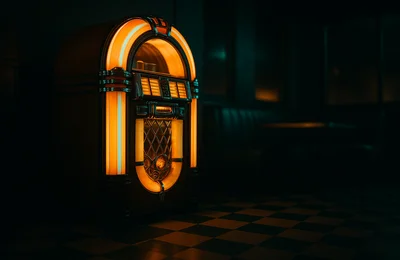
The earliest coin-operated phonographs appeared in the 1890s, installed in arcades and hotel lobbies. Drop in a coin, press your ear to a tube, and listen. It was personal, not communal.
That changed in the 1940s and 50s, when the jukebox became a social fixture. Diners, bars, and dance halls across the United States and Europe installed them as gathering points. A group could pool their coins, debate which song to play, and share the result together. There's no denying that the jukebox was one of the first technologies to make music selection a collective act.
Radio, Vinyl, Cassettes, CDs, and Digital Music
Radio brought music into homes and cars simultaneously, creating shared moments across entire cities. Vinyl records let people build personal collections and play host. Cassettes made music portable and easy to copy for a friend. CDs offered cleaner sound and compact storage.
Digital formats shifted everything again. Songs became files, then streams, accessible almost anywhere. Each stage expanded who could listen, and with whom.
Genres and Tempo Shape the Feel of Shared Music
Every song carries a mood before a single word is sung. That mood comes partly from genre, partly from tempo, and understanding both helps explain why certain songs work in certain rooms.
Major Music Genres
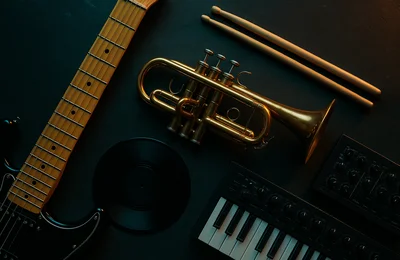
Pop is built for wide appeal, with clean melodies and short song structures that stick quickly. Rock grew from 1950s American blues, leaning on electric guitars and a harder rhythmic drive. Hip-hop emerged from New York in the 1970s, combining spoken rhymes with sampled or produced beats. Electronic music covers a broad range, from ambient soundscapes to club-ready dance tracks. Jazz, born in early 20th-century New Orleans, prizes improvisation and complex chord progressions. R&B blends gospel, soul, and rhythm into something warm and groove-focused. Latin genres like salsa and reggaeton bring syncopated rhythms tied to specific cultural traditions. Classical spans centuries, from Baroque chamber music to full orchestral compositions.
French music adds its own textures. Chanson française, with artists like Jacques Brel, centers on poetic storytelling. French house, pioneered in the 1990s by producers like Daft Punk, brought filtered disco sounds to electronic music globally.
Tempo and BPM Explained
BPM means beats per minute, a simple count of how many rhythmic pulses occur each second. A slow ballad might sit around 60-70 BPM, feeling intimate and unhurried. Hip-hop typically runs 85-95 BPM, relaxed enough for vocal flow but still driving. House music lands around 120-130 BPM, which is fast enough to keep a dance floor moving without feeling frantic. Faster tempos raise energy and encourage movement. Slower ones invite stillness, conversation, or reflection.
How to Build Playlists That Flow
A good playlist isn't just a list of songs you like. It's a sequence with intention - one that takes the listener somewhere, then brings them back.
Core Principles of Playlist Building
Start with a clear purpose. A playlist for a Sunday morning run needs a completely different approach than one for a birthday dinner. Once you know the purpose, you can shape an energy curve. Think of it as a story: build toward a peak, then ease back down. Dropping a high-energy track right after a slow ballad creates a jarring jump most listeners notice immediately.
Smooth transitions between tempos and keys help a lot here. Songs in compatible keys tend to blend naturally, while a sudden shift from 75 BPM to 140 BPM can feel like a wrong turn. Balancing familiar tracks with lesser-known ones keeps things fresh without losing the listener.
Matching the Playlist to the Setting
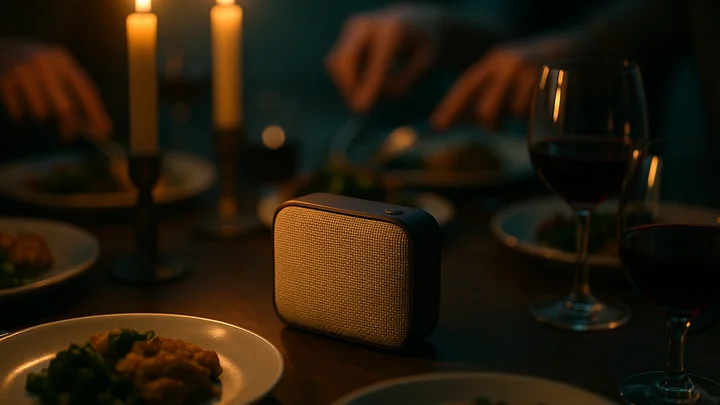
Dinner playlists work best around 70-100 BPM - relaxed enough to talk over, engaging enough to notice. Dance parties call for sustained energy, typically 120 BPM and above, with peaks timed to keep the floor moving. Background ambiance is different again: the goal is mood, not momentum, so tempo matters less than texture and consistency.
How DJs Read the Room and Keep Music Moving
A DJ's job is part technical skill, part social instinct. Getting the transitions right matters, but so does sensing whether the crowd wants to push harder or slow down.
Beatmatching and Key Matching
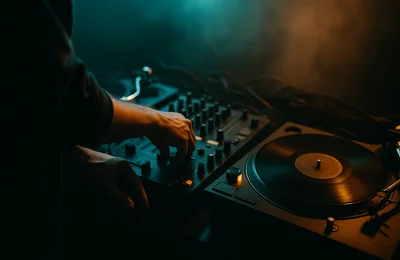
Beatmatching means aligning the tempo of two tracks so they play in sync. If one song runs at 124 BPM and the next at 126, a DJ nudges the speed slightly until they lock together. Without this, the transition sounds like a collision. Key matching works the same way but with musical pitch. Two tracks in compatible keys blend naturally. Two that clash create an unsettling harmonic tension most listeners feel even if they can't name why.
Transition Techniques and Equipment
A fade gradually lowers one track while raising another. A cut switches between songs instantly, which works well at high energy moments. DJs use turntables, digital controllers, or mixers depending on their setup and style. The equipment differs, but the goal is the same: keep the energy moving without jarring the listener.
Reading the Crowd
Watching a dance floor tells a DJ everything. People drifting away signals it's time to shift the mood. A packed floor moving together means stay the course. This is the same energy curve principle used in playlists, just applied in real time.
Bilingual Glossary of Music Terms
Tempo - the speed of a piece of music / la vitesse d'un morceau de musique
Beat - a single pulse in the rhythm / temps - une pulsation dans le rythme
Verse - a repeating section carrying the lyrics / couplet - une section répétée portant les paroles
Chorus - the main hook of a song / refrain - l'accroche principale d'une chanson
Bridge - a contrasting section linking parts / pont - une section contrastée reliant les parties
Genre - a category of music sharing common traits / un genre musical partageant des caractéristiques communes
Playlist - a curated sequence of tracks / liste de lecture - une sélection ordonnée de morceaux
Track - a single recorded piece of music / morceau - un enregistrement musical individuel
Shared Listening Is Part Art, Part Simple Structure
From coin-operated phonographs to pocket-sized digital libraries, the way people experience music together has changed almost beyond recognition - yet the underlying impulse has stayed the same. Genres give us a shared vocabulary for describing what we hear. Tempo tells us how a track will feel before we've even processed the melody. Playlists, when they're built with some intention, create a shape: a rise, a peak, a quiet landing. DJs do all of that in real time, reading a room and adjusting on the fly. There's no denying these ideas overlap - a good playlist and a good DJ set are built on the same logic. Understanding even a little of that logic changes how you listen, and how you share what you love.